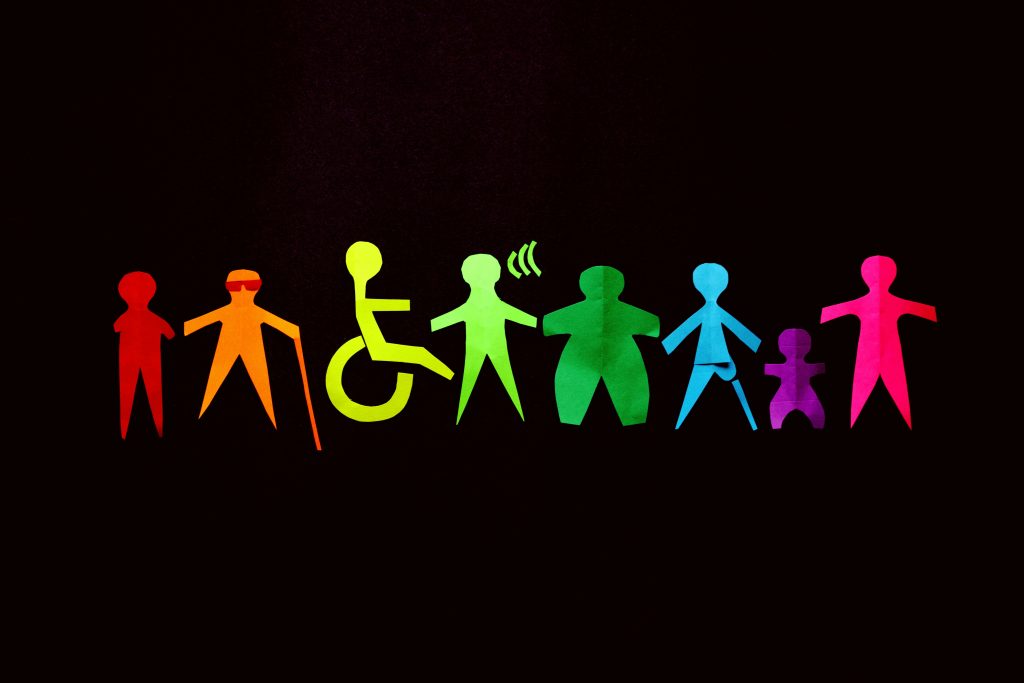
In today’s diverse workplaces, fostering a sense of inclusion is more critical than ever. One powerful way to achieve this is through the use of inclusive language. Inclusive language goes beyond gender pronouns; it involves selecting words and phrases that avoid reinforcing stereotypes, derogatory terms, or language that may exclude or offend certain groups. In this blog post, we’ll explore the importance of inclusive language in the workplace, provide examples of everyday conversations, and offer alternatives that promote a more inclusive environment.
Lets get inclusive.

What is Inclusive Language?
Inclusive language is a form of communication that respects and includes all people, regardless of their background, identity, or characteristics. Its purpose is to create a welcoming and respectful atmosphere, fostering collaboration and understanding among diverse individuals in the workplace.
Why is Inclusive Language Important?
- Promotes Diversity: Inclusive language acknowledges and celebrates the diversity of individuals within the workplace, creating an environment where everyone feels valued.
- Fosters Respect: Using inclusive language demonstrates respect for individuals’ identities, experiences, and perspectives, contributing to a more harmonious work atmosphere.
- Enhances Collaboration: A workplace that embraces inclusive language is more likely to foster effective communication and collaboration among team members, leading to increased productivity.
Everyday Conversations: Before and After
Let’s explore ten typical workplace conversations and provide alternatives using inclusive language:
- Before: “Hey guys, let’s gather for a meeting.” After: “Hello everyone, let’s gather for a meeting.”
- Before: “The new employee is a real go-getter. He’s got a lot of ambition.” After: “The new employee is a real go-getter. They’ve got a lot of ambition.”
- Before: “Our project manager is so organized; she’s like a mom keeping everything in order.” After: “Our project manager is so organized; she’s like the glue keeping everything in order.”
- Before: “We need a strong leader for this role.” After: “We need a capable leader for this role.”
- Before: “John, can you help with the heavy lifting? That’s a man’s job.” After: “John, can you help with the heavy lifting? Your strength would be a great asset.”
- Before: “That idea is so simple; even a child could understand it.” After: “That idea is straightforward and easy to grasp.”
- Before: “Let’s not hire him; he’s too old for this tech-savvy role.” After: “Let’s not hire him; his skill set may not align with the technological requirements of the role.”
- Before: “She’s emotional because she’s a woman; it’s expected.” After: “She’s emotional because she’s passionate about the project.”
- Before: “Our team needs to work harder; don’t be so lazy.” After: “Our team needs to enhance our efforts; let’s collectively contribute more.”
- Before: “We’re like a family here; it’s important to have a strong father figure as a leader.” After: “We’re like a family here; having a supportive leader is crucial.”
Tips for Using Inclusive Language in the Workplace:
- Be Conscious of Your Words: Pay attention to the words you use, and consider how they might be interpreted by others.
- Avoid Stereotypes: Refrain from using language that reinforces stereotypes or perpetuates biases.
- Educate Yourself: Stay informed about inclusive language and be willing to learn and adapt your communication style.
- Ask for Feedback: Encourage open communication and ask for feedback to understand how your language might impact others.
- Be Apologetic and Open to Correction: If you make a mistake, apologize sincerely, and be open to correction. It’s an opportunity to learn and grow.
In conclusion, incorporating inclusive language into our daily workplace conversations is a powerful step towards building a more inclusive and harmonious work environment. By being mindful of the words we choose, we contribute to a workplace culture that values diversity, fosters respect, and promotes collaboration among all team members.
If you want to read a little more about this, you can read our previous blog post that discusses inclusive language and looks at further examples. You can read that here