In the dynamic world of NGOs, social enterprises, and non-profits, fostering an inclusive environment is crucial for promoting equality and respect. One powerful way to achieve this is through the use of inclusive language. By being mindful of our words, we can contribute to creating spaces that embrace diversity and make everyone feel valued and included.
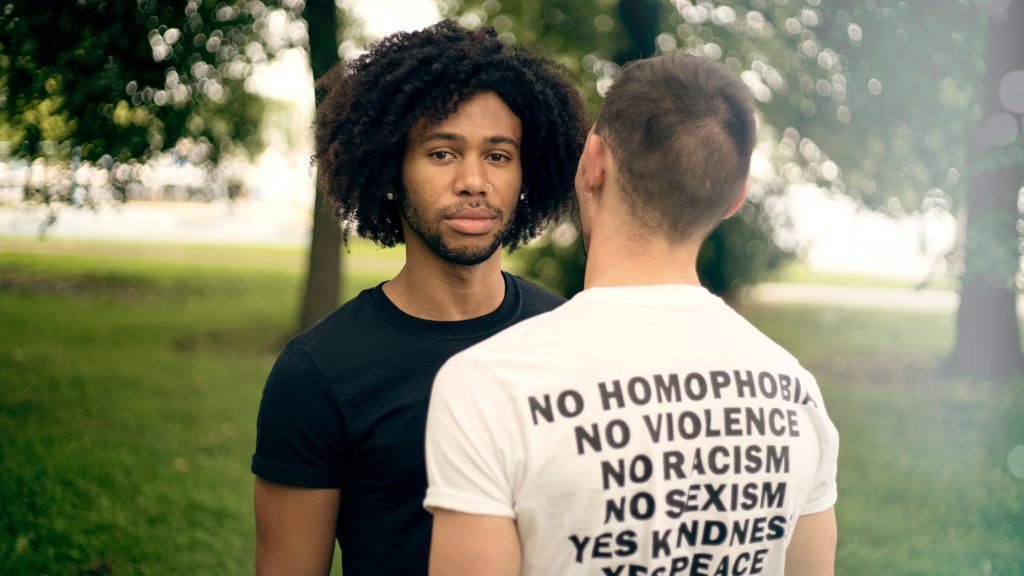
Why Inclusive Language Matters:
Using inclusive language in the workplace is not just a matter of political correctness; it’s a strategic and ethical choice. Here are several reasons why NGOs, social enterprises, and non-profits should prioritize inclusive language:
- Reflecting Values: NGOs and non-profits are often driven by a commitment to social justice and equality. Using inclusive language aligns with these values, reinforcing an organization’s dedication to fairness and respect.
- Building Trust: Inclusive language builds trust among team members, stakeholders, and the communities served. It demonstrates a genuine commitment to understanding and respecting diverse perspectives.
- Attracting Diverse Talent: Organizations that actively use inclusive language are more likely to attract a diverse range of talent. This diversity contributes to creativity, innovation, and a broader understanding of the challenges at hand.
- Broadening Audience Engagement: NGOs and social enterprises often work with a diverse range of communities. Inclusive language ensures that communication resonates with a broader audience, promoting better understanding and engagement.
- Avoiding Stereotypes: Non-inclusive language can unintentionally reinforce stereotypes, alienating individuals and communities. Inclusive language challenges these stereotypes and promotes a more accurate and respectful representation of people.
Examples of Non-Inclusive Language and Alternatives:
- Non-Inclusive Language: “Guys”
- Inclusive Language: “Team” or “Everyone”
- Non-Inclusive Language: “Chairman”
- Inclusive Language: “Chair” or “Chairperson”
- Non-Inclusive Language: “Disabled person”
- Inclusive Language: “Person with a disability”
- Non-Inclusive Language: “Hispanic”
- Inclusive Language: “Latino/Latina” or “Latinx”
- Non-Inclusive Language: “Manpower”
- Inclusive Language: “Workforce” or “Human resources”
- Non-Inclusive Language: “Mankind”
- Inclusive Language: “Humankind” or “Humanity”
- Non-Inclusive Language: “Normal people”
- Inclusive Language: “Typical” or “Average people”
- Non-Inclusive Language: “Able-bodied”
- Inclusive Language: “Non-disabled” or “Physically able”
- Non-Inclusive Language: “Wife and husband”
- Inclusive Language: “Spouse” or “Partners”
- Non-Inclusive Language: “Elderly”
- Inclusive Language: “Older adults” or “Senior citizens”
Rationale for Inclusive Language in the Workplace:
Inclusive language isn’t just about being politically correct; it’s about creating a workplace culture that celebrates diversity and ensures that everyone feels respected and valued. By embracing inclusive language:
- Enhanced Collaboration: Inclusive language fosters an environment where all voices are heard, leading to improved collaboration and problem-solving.
- Increased Productivity: Employees who feel included and valued are more likely to be motivated and engaged, contributing to increased productivity.
- Positive Organizational Reputation: Using inclusive language enhances an organization’s reputation, attracting partners, donors, and supporters who share the values of equality and respect.
- Legal and Ethical Compliance: In many regions, there are legal and ethical considerations regarding discrimination. Using inclusive language helps organizations comply with these standards and promotes ethical practices.
In conclusion, adopting inclusive language is a powerful tool for NGOs, social enterprises, and non-profits to build a workplace culture that reflects their values and fosters collaboration, productivity, and positive social impact. By embracing inclusive language, these organizations can lead the way in creating more equitable and respectful spaces for all.
If you’d like to know more about how Sankofa can help you with your language needs, please don’t hesitate to contact us. We’d love to chat with you.
